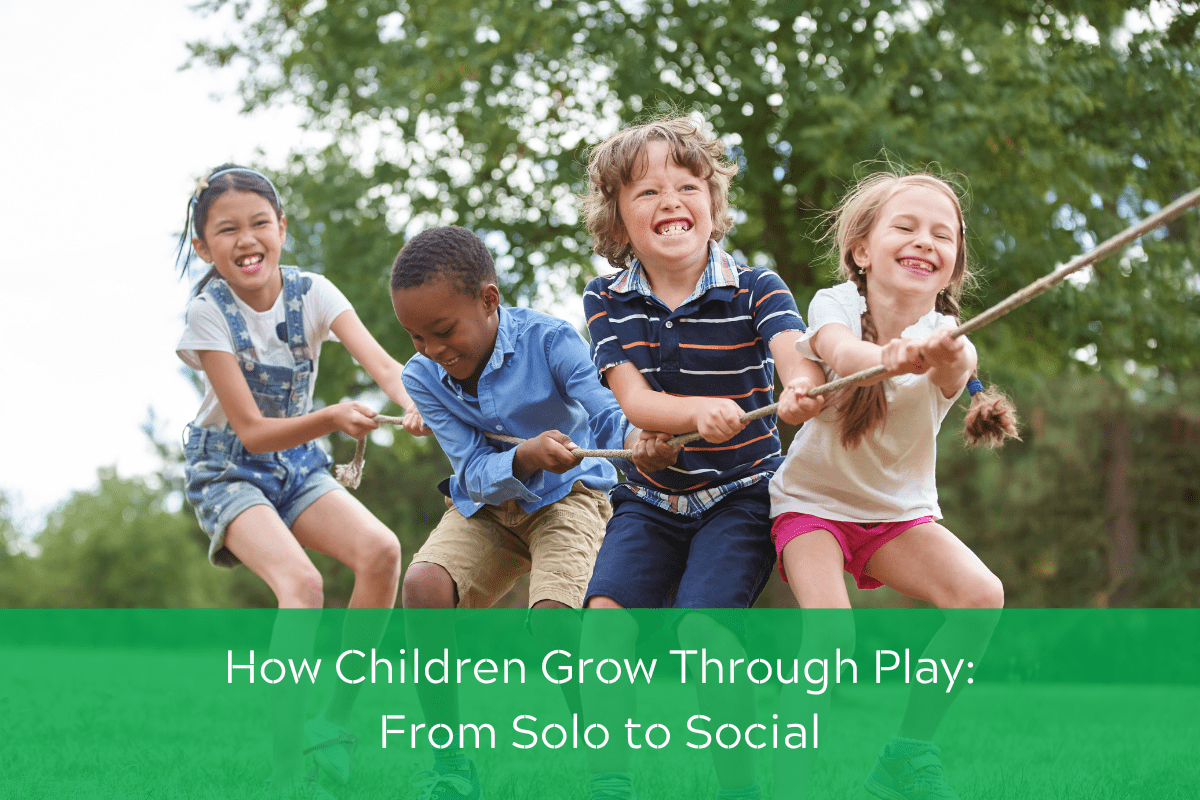
How Children Grow Through Play: From Solo to Social
Play is how children explore the world, learn new skills, and build relationships. The stages of play provide a clear developmental path that reflects a child’s social and emotional »

Learn how play supports children’s physical, social, emotional, and cognitive development through research-based insights and real-world examples.
Play is how children explore the world, learn new skills, and build relationships. The stages of play provide a clear developmental path that reflects a child’s social and emotional »
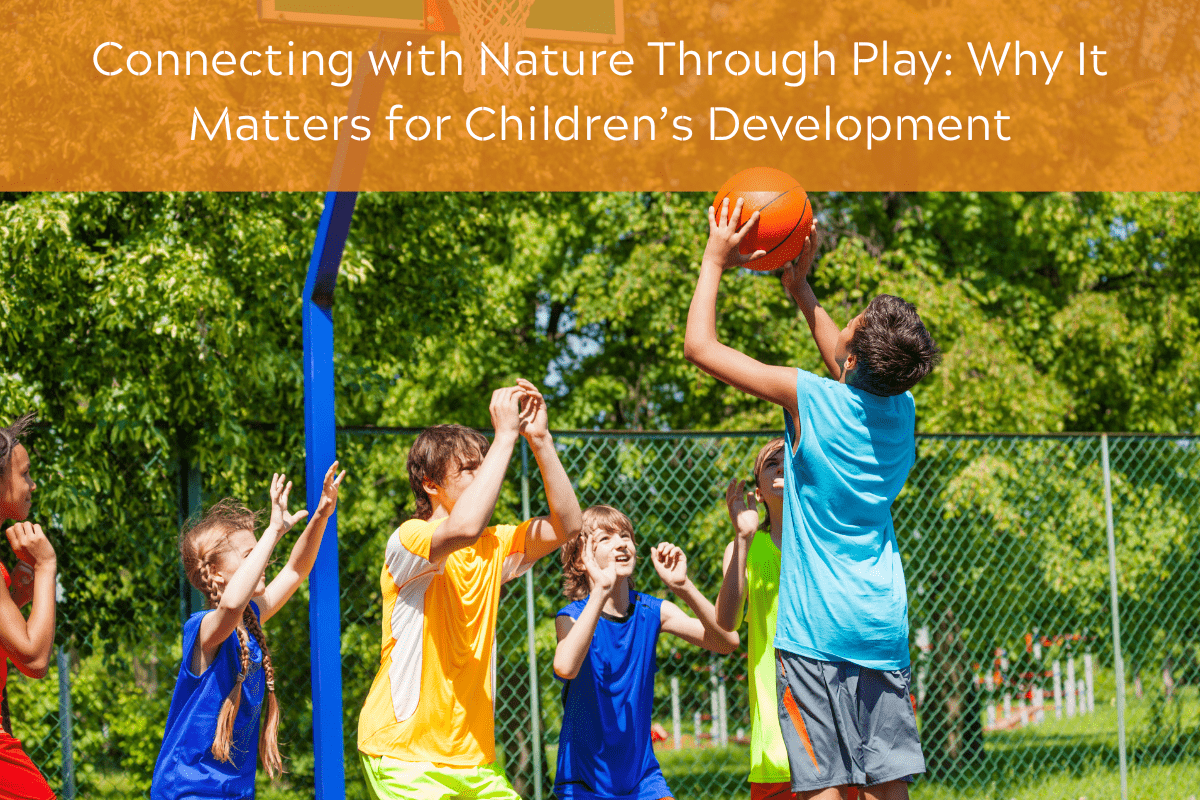
Playgrounds aren’t just spaces for climbing, sliding, and swinging—they’re gateways to meaningful, whole-child development. And when those spaces integrate natural elements, the benefits grow even deeper. Nature-based play »
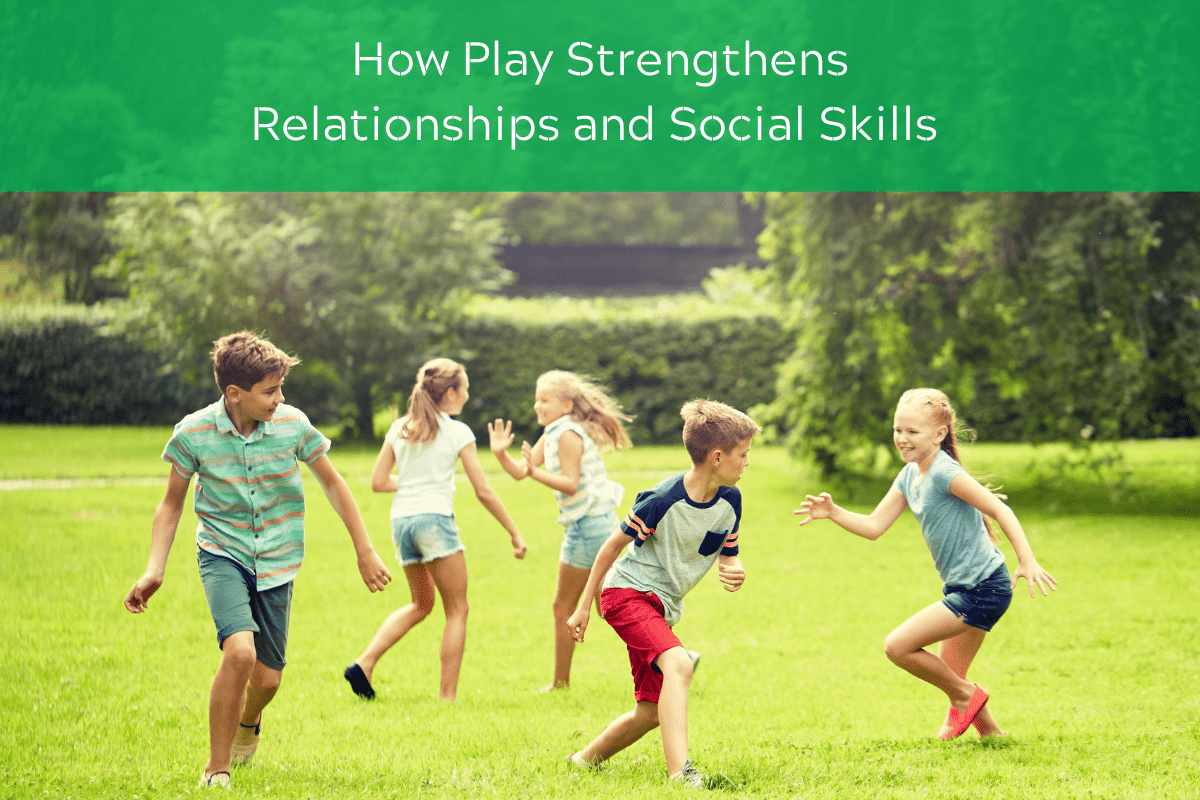
Play is often thought of as just a fun activity, but its impact on relationships and social development is profound. Whether it’s children engaging in a game of pretend, »
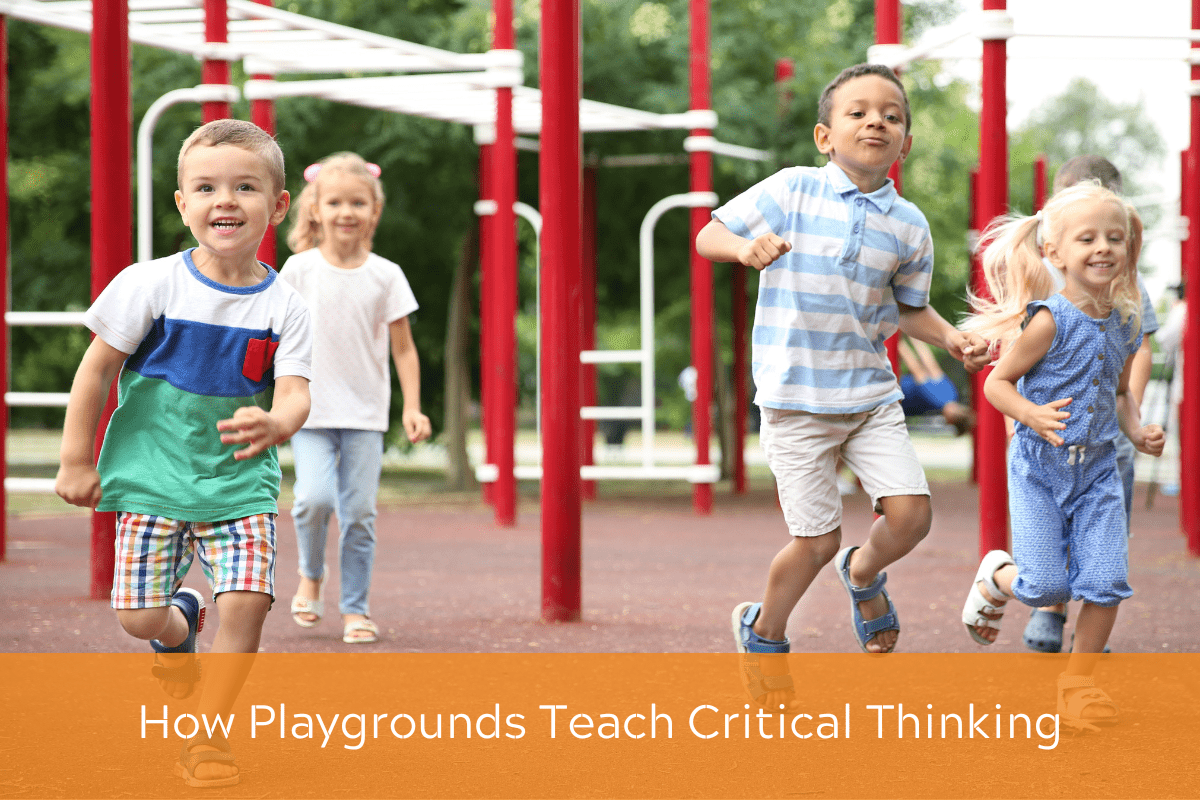
It’s no secret that playgrounds are a favorite destination for kids, offering endless opportunities for fun and adventure. But beyond laughter and games, playgrounds play a vital role in »
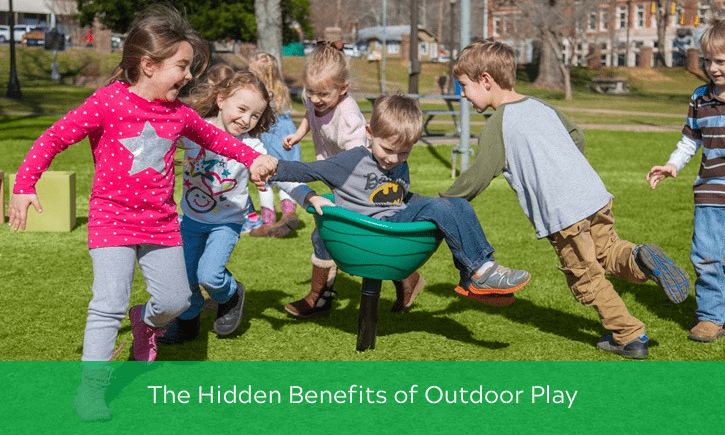
Outdoor play isn’t just about keeping kids active—it’s a vital part of their development. When children step outside to explore, they engage in various forms of stimulation that support »
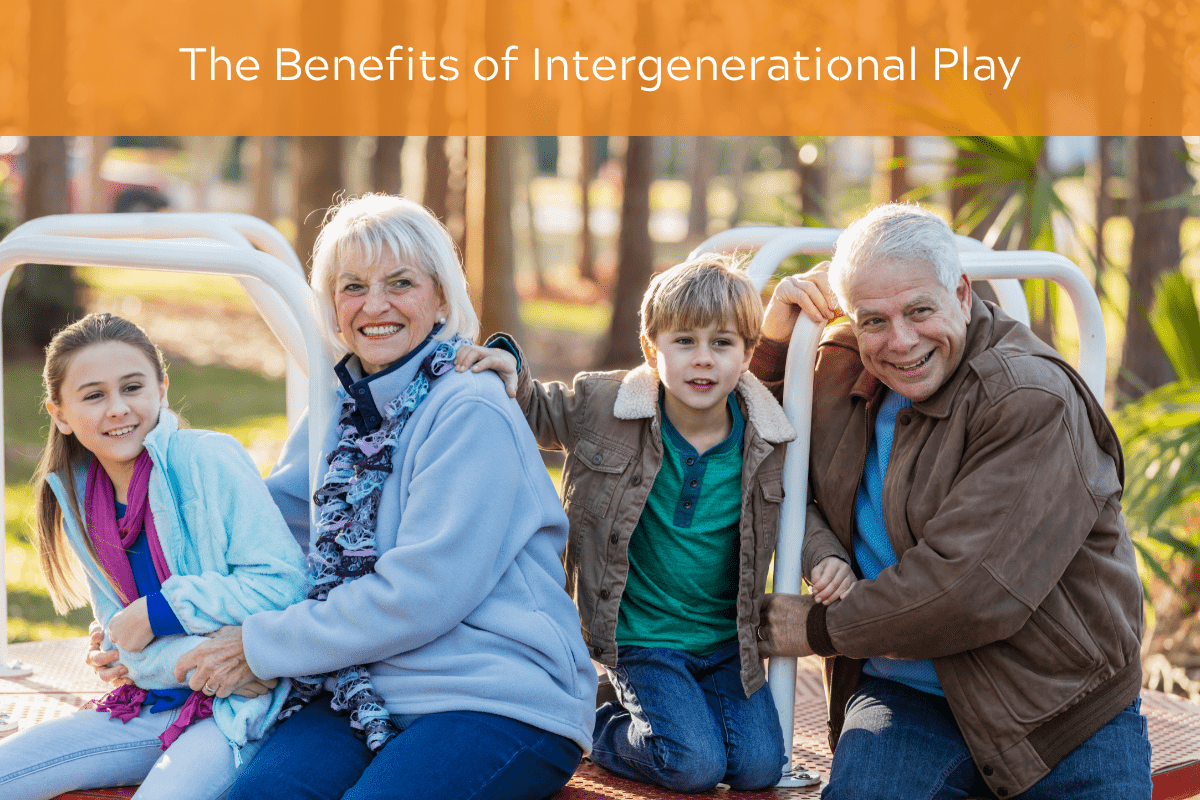
Intergenerational play is transforming playgrounds into dynamic, inclusive environments, where kids, parents, and grandparents can connect and create lasting memories together. At PDPlay, we believe playgrounds should be more »

As children splish and splash water or scoop and dump sand, they are unknowingly learning while having fun. The self-directed play offered at sand or water tables, helps children »