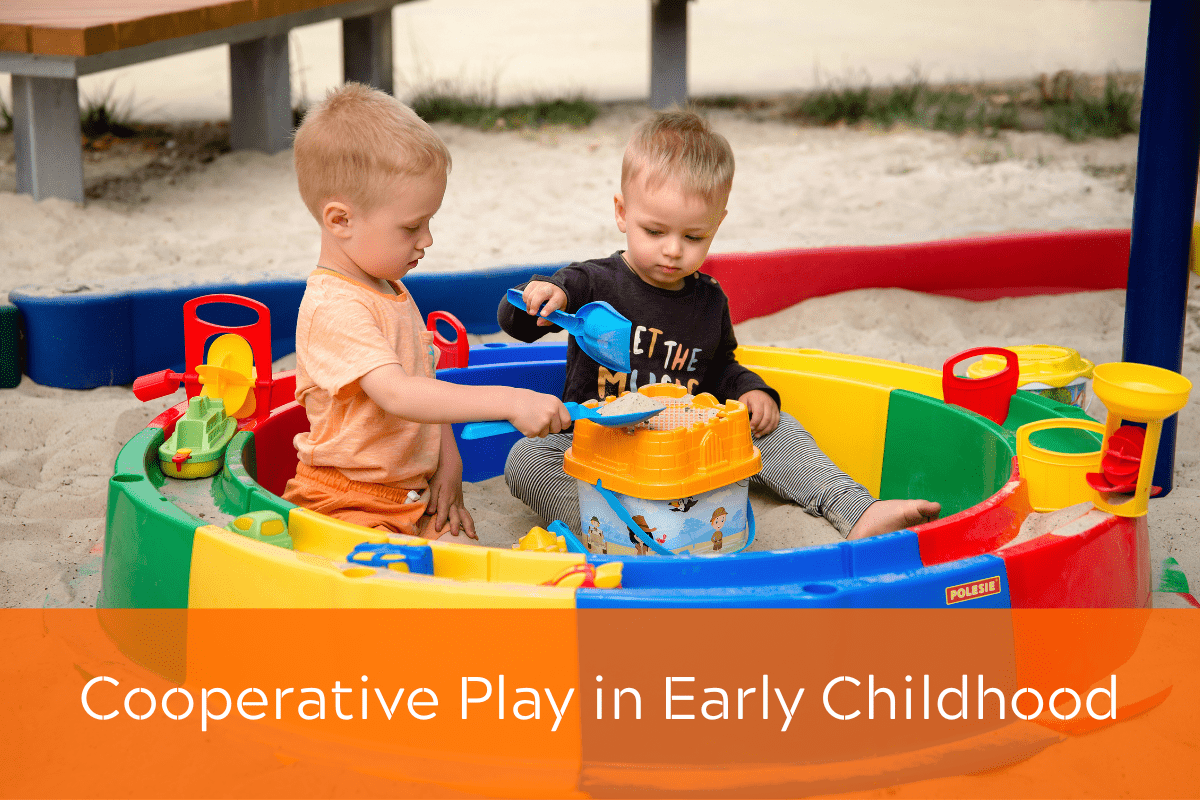
Cooperative Play in Early Childhood
Cooperative play in early childhood is an important stage of development that typically emerges around age four. During this stage, children begin working together toward a shared goal. They »

Learn how play supports children’s physical, social, emotional, and cognitive development through research-based insights and real-world examples.
Cooperative play in early childhood is an important stage of development that typically emerges around age four. During this stage, children begin working together toward a shared goal. They »

On the third Sunday in May, we’re encouraging something simple: invite your parents to the playground. Take Your Parents to the Playground Day, recognized by the National Day Calendar, »
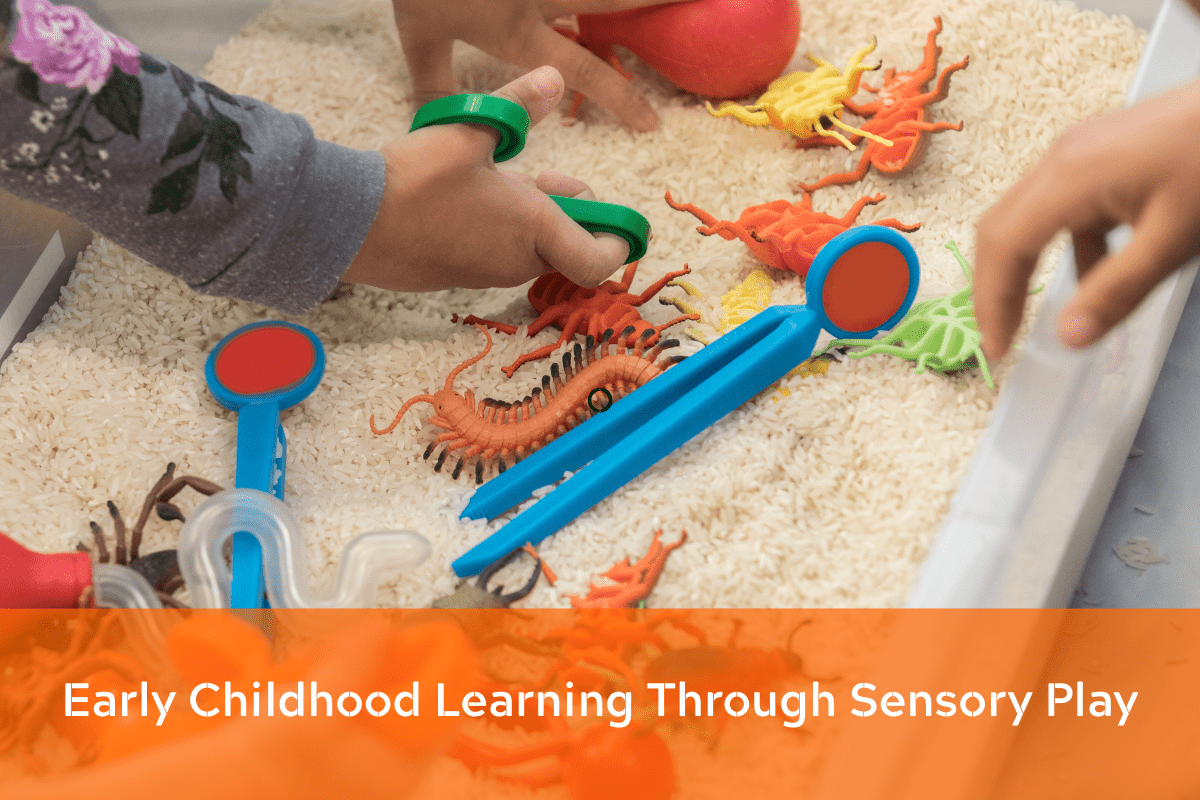
Early childhood learning through sensory play is a key part of early childhood development. It helps children explore the world through touch, movement, sight, and sound while building important »
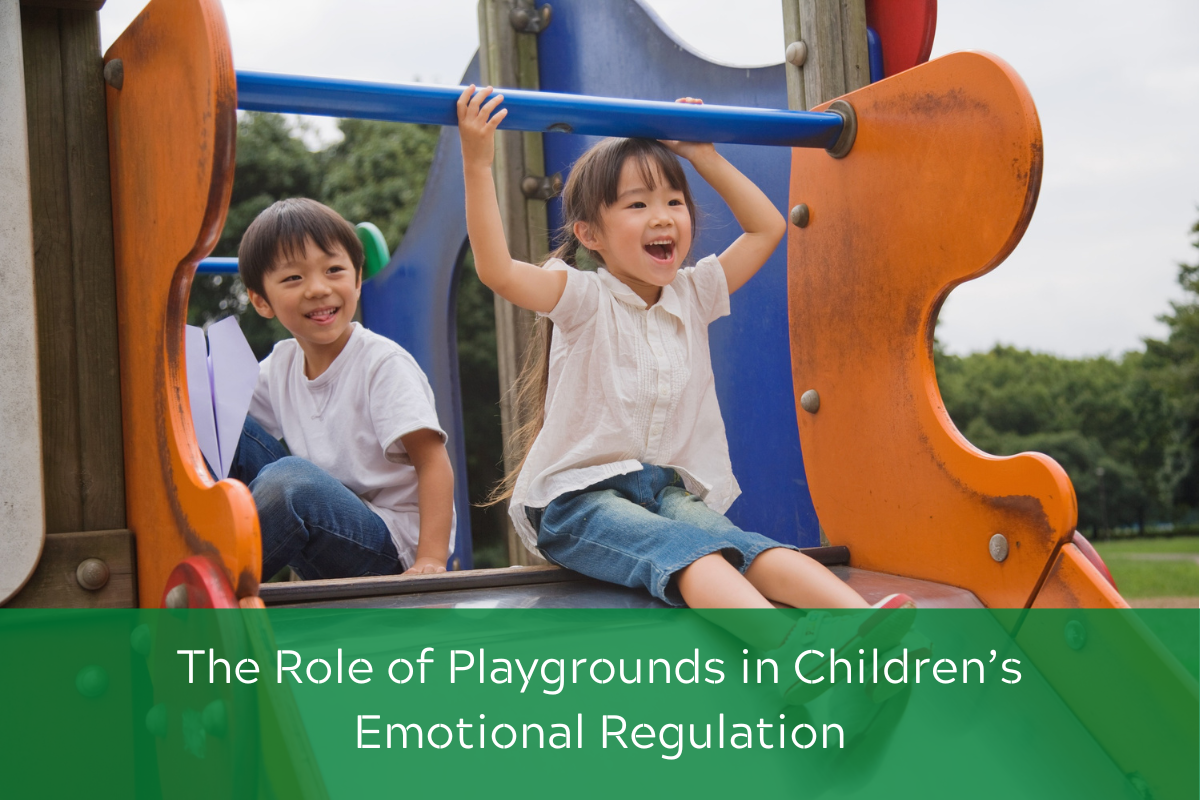
Playgrounds support more than physical activity. They play an important role in children’s emotional regulation, which is the ability to understand emotions, manage reactions, and recover from challenges. Through »
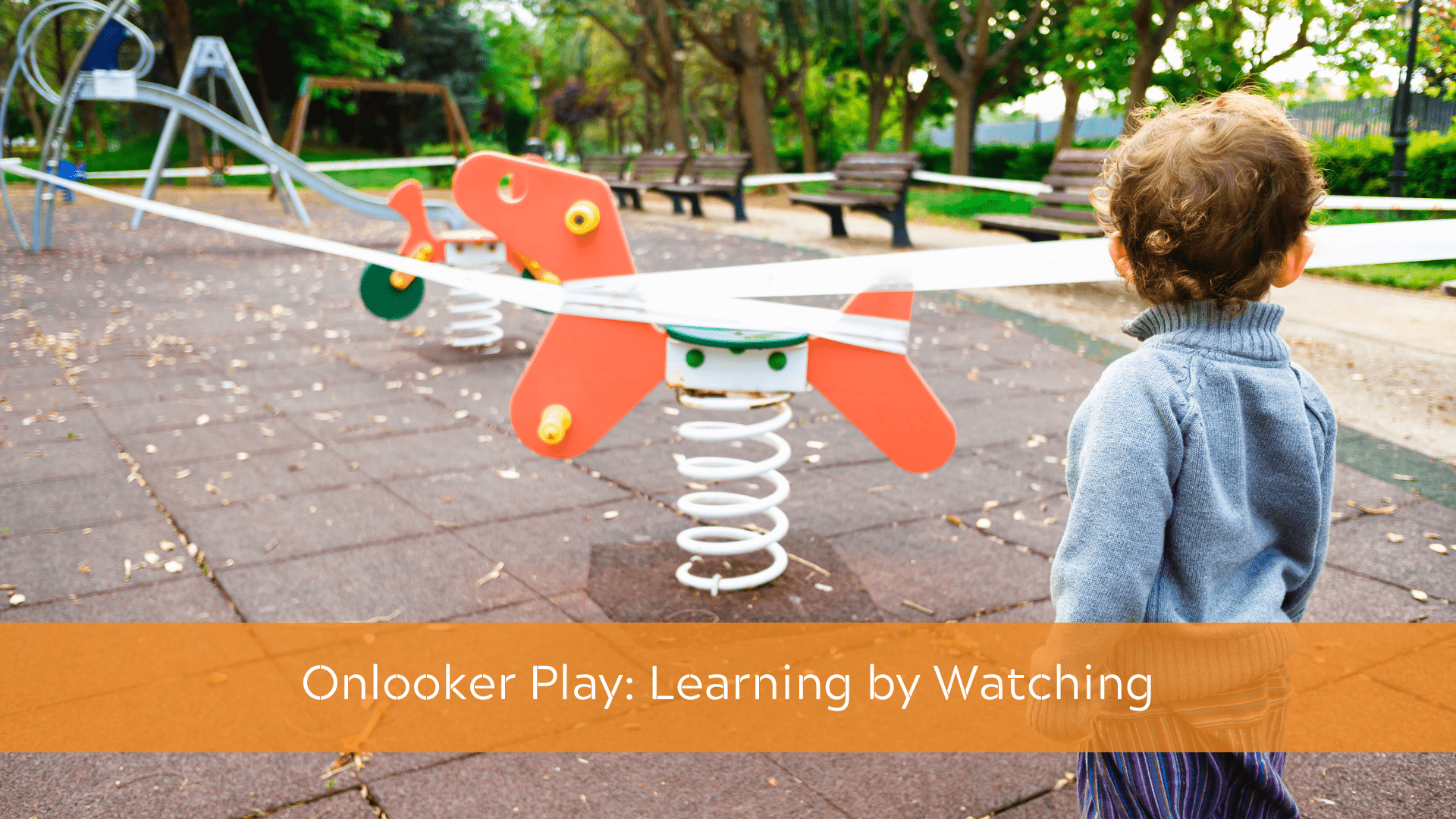
Around age two, many children enter a stage called onlooker play. At this stage, children may not join in the action but instead spend time watching others. While it »
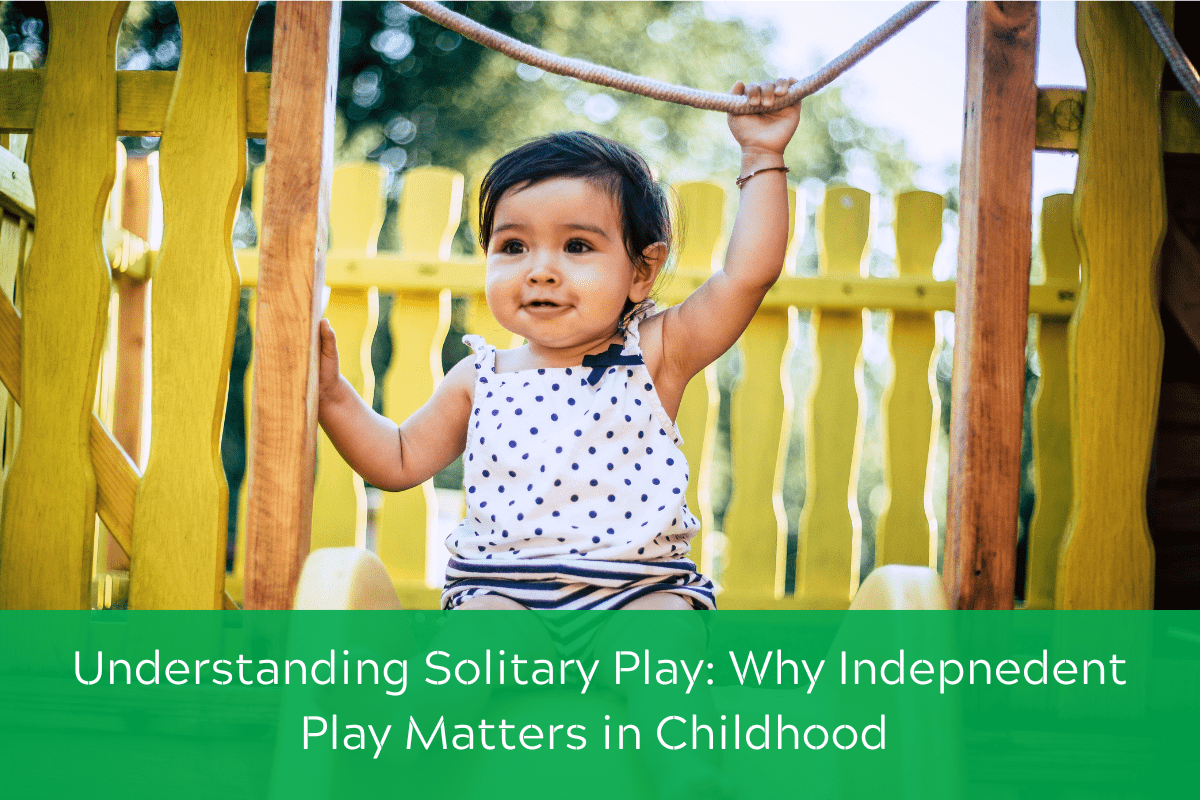
Solitary play is one of the earliest and most essential stages of play development. It’s most often seen in children from birth to around age 2, when little ones »
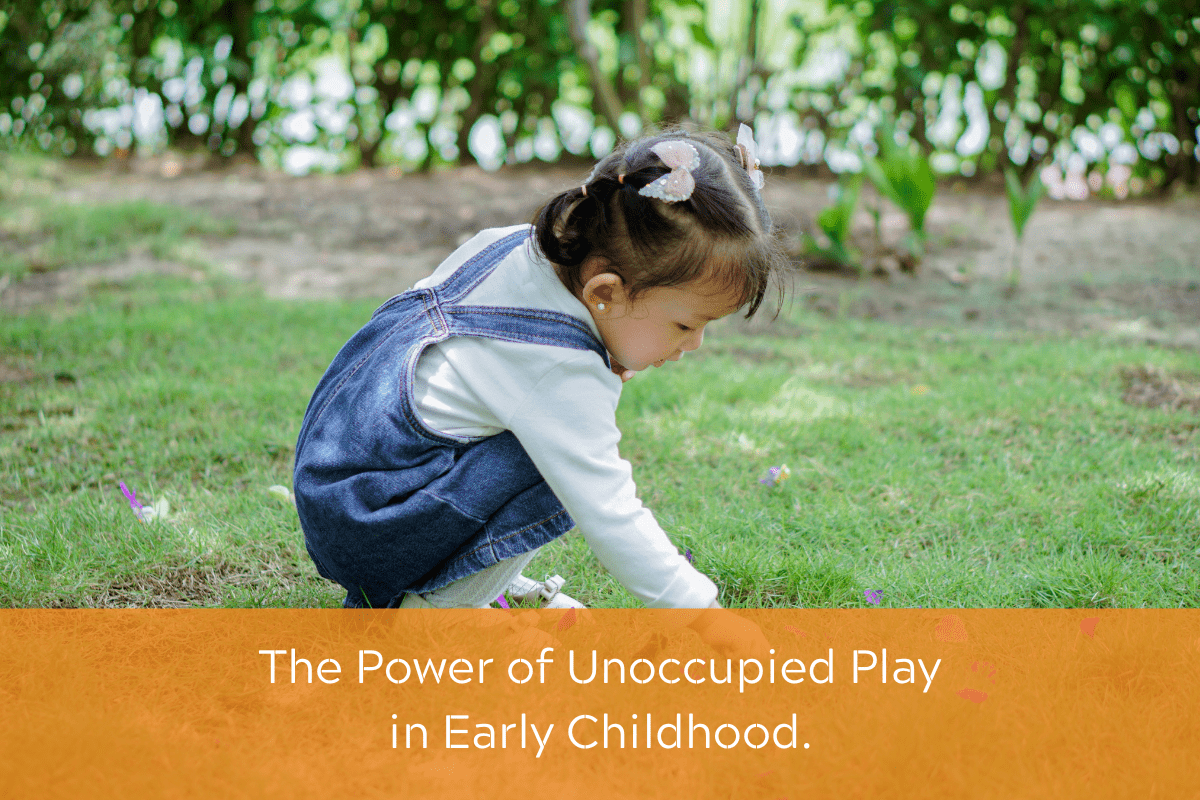
When we think of play, we usually picture kids running, building, or pretending. But for very young children, play often starts in a quieter way, through unoccupied play. »