
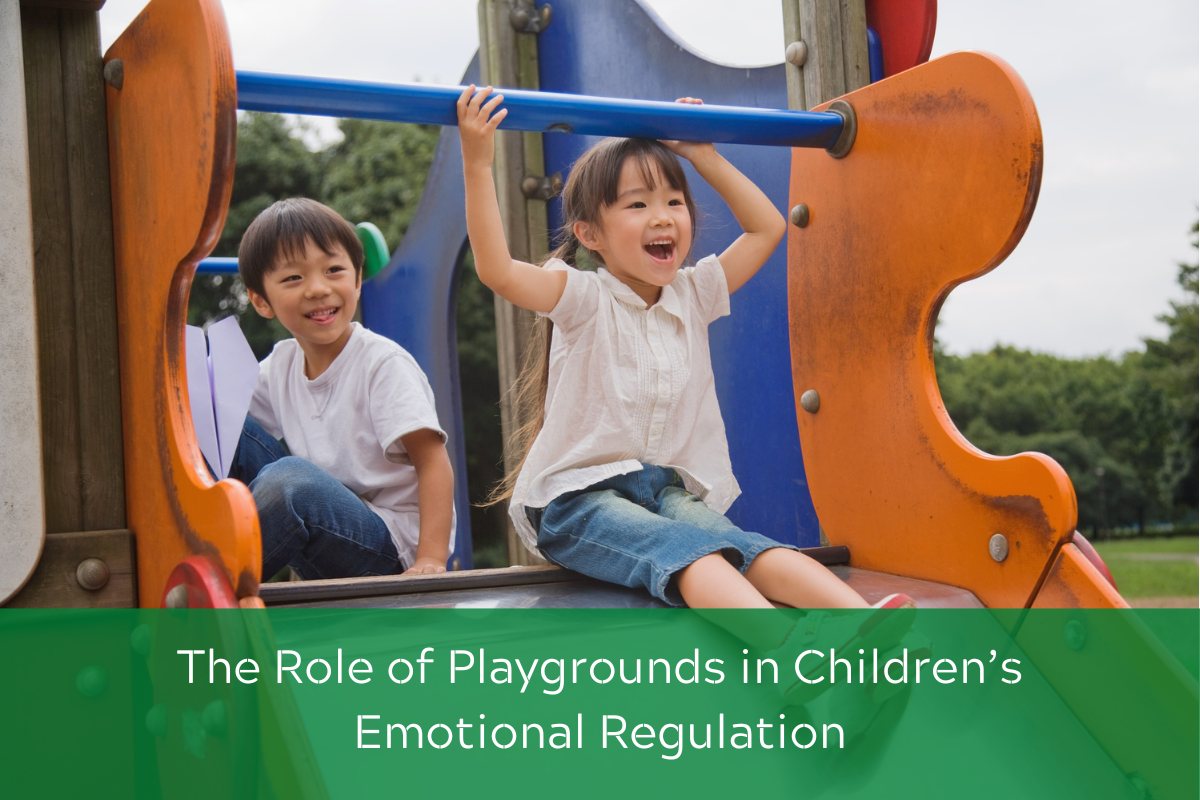
Playgrounds support more than physical activity. They play an important role in children’s emotional regulation, which is the ability to understand emotions, manage reactions, and recover from challenges. Through outdoor play, children develop emotional skills that support confidence, resilience, and overall well-being.
On playgrounds, children naturally encounter emotional experiences. They may feel nervous trying a new climbing structure, frustrated while waiting for a turn, or proud after mastering a skill. These moments help children learn that emotions are normal and manageable. Over time, repeated play experiences strengthen their ability to cope with both positive and difficult feelings.
Physical movement is closely connected to emotional regulation. Activities such as running, climbing, swinging, and balancing help children release stress and excess energy. Movement also supports focus and emotional calm, especially for children who find it difficult to express feelings through words. Outdoor play gives children a healthy way to process emotions through action.
Playgrounds also support emotional development through social interaction. When children play together, they practice cooperation, communication, and conflict resolution. Disagreements that arise during play offer opportunities to pause, problem-solve, and reconnect. These experiences help children build emotional awareness and social confidence that extends beyond the playground.
Choice is another important element of playground play. Unlike structured indoor environments, playgrounds allow children to decide how they want to engage. They can choose active play, quiet play, independent exploration, or social interaction. This autonomy helps children recognize their own emotional needs and develop self-regulation skills.
When playgrounds are thoughtfully designed, more children are able to participate fully in play. Environments that reduce physical and social barriers help limit frustration and encourage confidence, connection, and empathy among peers. When children feel capable and included, they are more likely to engage positively and build strong emotional skills through play.
Seasonal changes can also affect children’s emotional well-being. During the winter months, shorter days and limited outdoor time may increase restlessness and stress. Continued access to outdoor play provides children with consistent opportunities for movement, social connection, and emotional release throughout the year.
Playgrounds are essential spaces for emotional growth. By supporting outdoor play and designing spaces that encourage participation in every season, communities help children develop the emotional regulation skills they need for lifelong health and success.